
Cholesterol & You
Cholesterol is a substance in your blood that your body needs to build cells; yet, too much can pose a problem. Cholesterol travels through the blood on proteins called lipoproteins. There are two types:
- Low-density lipoprotein (LDL), known as bad cholesterol, makes up most of your body’s cholesterol. High levels of LDL cholesterol can increase your risk for heart disease and stroke.
- High-density lipoprotein (HDL), known as good cholesterol, absorbs cholesterol and carries it back to the liver to be flushed from the body.
More than 40% of U.S. adults with high cholesterol—and 1 in 4 with very high levels—don’t know they have it, according to a study published in JAMA Cardiology.
High cholesterol usually has no symptoms, so the American Heart Association (AHA) recommends that adults age 20 or older have their cholesterol checked every four to six years. Bad cholesterol can be elevated by age, family history, certain health conditions (e.g., Type 2 diabetes and obesity) and lifestyle factors. While you can’t control all of these factors, you can take steps to lower your risk:
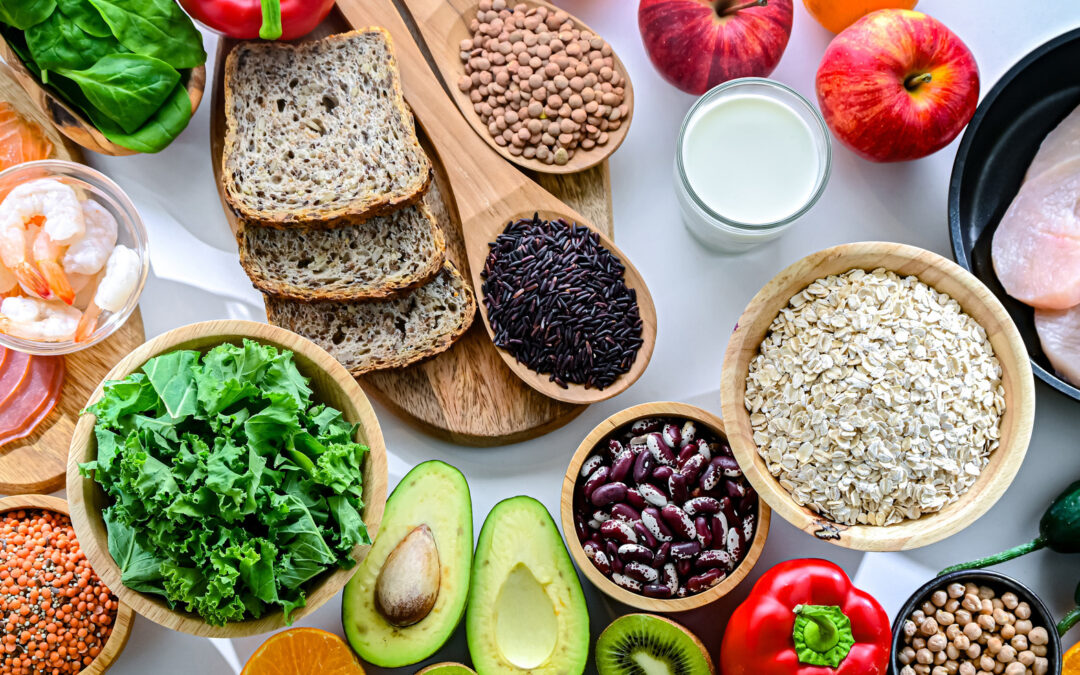
- Eat a heart-healthy, balanced diet. Saturated and trans fats can increase your cholesterol, so focus on monounsaturated fats (e.g., olive oil, nuts and avocados) and polyunsaturated fats (e.g., salmon and margarine). Also, limit red meat, fried foods, processed meats and baked goods.
- Exercise regularly. The AHA recommends individuals get at least 150 minutes of moderate aerobic exercise each week. Adding resistance exercises to your routine at least twice a week can also help.
- Avoid or quit smoking. Smoking tobacco increases LDL cholesterol, decreases HDL cholesterol and can result in cholesterol buildup in one’s arteries.
- Limit alcohol use. For men, this typically means up to two drinks per day, and for women, one drink per day.
- Maintain a weight that is healthy for you. Having obesity can increase your risk of high cholesterol. A doctor can help determine a sustainable weight management plan.
The only way to know whether you have high cholesterol is to have your levels checked. Be sure to visit your doctor for regular cholesterol screenings.
Are You Prepared for an Emergency?
Disasters such as hurricanes, tornadoes, floods and earthquakes can strike with little or no warning. Roads may become impassable, power could be out for days and emergency services might be overwhelmed. In these situations, having a plan can make all the difference between chaos and calm.
September is National Preparedness Month. As such, consider using this time to plan for scenarios that may require you to evacuate your home or shelter in place.
Preparedness isn’t just about stocking up on supplies; it’s about knowing what to do, where to go and how to stay safe. Consider these four key steps to help you and your household prepare:
- Know your risks. Understand the types of disasters most likely to affect your area.
- Create a communication plan. Make sure every member of your household knows how to reach each other during an emergency.
- Assemble an emergency kit. Your kit should include nonperishable food and water (enough for at least three days), flashlights and extra batteries, basic first-aid supplies, medications and personal hygiene items, important documents (e.g., IDs and insurance papers) in a waterproof container, and a battery-powered radio.
- Plan for evacuation and shelter-in-place orders. Know your local evacuation routes and shelters. Also, prepare for scenarios in which you may need to stay indoors for several days.
Visit Ready.gov to learn more about preparing for emergencies at home, at work and on the road.
Meal Prepping Tips
September brings a shift in routine as school schedules kick back in and free time shrinks. Meal prepping is the concept of preparing meals for the week ahead. It can lead to more nutritious choices and help save valuable time on busy weeknights.
HelloFresh’s State of Home Cooking report revealed that 38% of Americans don’t have groceries on hand when they need them, which is one of the biggest obstacles to making dinner.
Fortunately, meal prepping can help solve that problem. Consider these best practices:
- Stick to a schedule for when you plan, grocery shop and prepare your meals.
- Pick recipes with varying cooking methods (e.g., oven or stovetop).
- Choose which meals to prepare first based on their cook times.
- Store meals properly in portioned containers. Refrigerate meals you plan to eat within three to four days and freeze the rest.
Meal prepping doesn’t have to be intimidating. Try these basic steps to cut down on cooking time and have more time for other activities.
Check out last month’s edition of Live Well Work Well – August 2026.
All of us here at CoverLink wish you continued health and safety this year!