
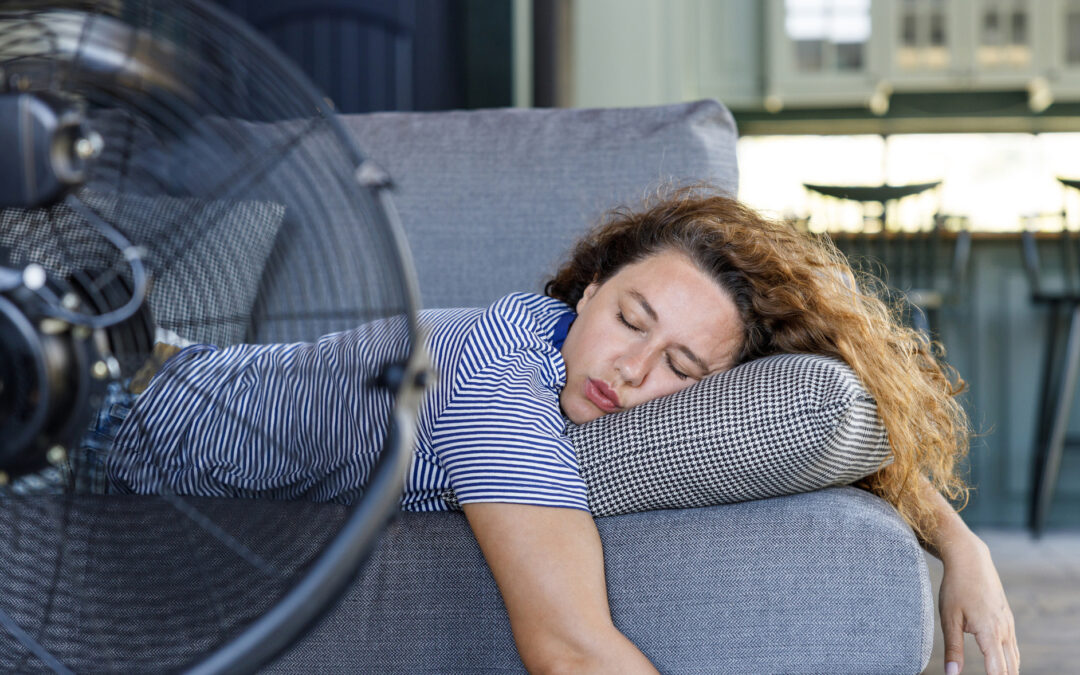
5 Ways to Sleep Better in the Summer
A good night’s sleep is crucial for overall health and well-being, but as the days grow longer and temperatures rise, many people find falling and staying asleep increasingly difficult. The increase in daylight hours delays your body’s production of melatonin, which promotes sleep. This impacts your circadian rhythm, the body’s internal clock that regulates your sleep-wake cycle. The longer summer days tell your body to stay awake longer and may make it more difficult for you to fall asleep.
Hot weather can also influence sleep patterns by raising your body temperature. This moves your body into a heightened state of awareness, preventing you from falling asleep or waking you up. In addition, people may have busy social calendars, further interfering with their regular sleep schedules. All these disruptions can make it challenging to get restful sleep during the summer.
The American Academy of Sleep Medicine found that 1 in 3 people say they sleep less in the summer.
Summer sleep disturbances can be frustrating, but try these five tips to improve your sleep quality:
- Keep a consistent schedule. Late nights can happen in the summer, but try to stick to a regular and consistent sleep schedule to regulate your circadian rhythm.
- Create a cool sleep environment. Keep your bedroom cool with fans and air conditioning, or prop doors and windows open. The best temperature for sleep is 65 degrees Fahrenheit.
- Use lightweight fabrics. Opt for lightweight and moisture-wicking pajamas and bedding. Materials like cotton, linen, bamboo and silk can help you stay comfortable.
- Try a sleep mask. Longer daylight hours can disrupt your sleep cycle, so wearing a sleep mask can help darken the room. Experts advise against blackout curtains; allowing some light alerts your body that the day is coming.
- Stay hydrated. Drink plenty of water throughout the day to stay hydrated in the heat, but avoid large amounts right before bed to prevent waking up for bathroom trips.
Understanding how summer’s long days, high temperatures and lifestyle changes can affect your sleep can allow you to take action to improve your slumber. If you have questions or concerns about your sleep quality, contact your doctor.
Well-being Tips for Summer Festivals and Fairs
With sunny days, seasonal breaks and time off, summer is a popular time for public outdoor events. Festivals and fairs carry several health and safety risks (e.g., heat-related illness, sun exposure and dehydration), as well as crowd safety hazards and foodborne illness from vendors. Consider these tips to stay healthy and safe at festivals and fairs:
- Plan ahead. Check the weather to know how to dress, and familiarize yourself with the venue layout so you can quickly find exits, first-aid stations and water refill points. Stick with your group and set a meet-up plan in case you get separated.
- Check event policies. Review the venue’s website for rules on bags, water bottles, sunscreen containers and umbrellas.
- Stay cool and hydrate. Wear light, breathable clothing, drink water throughout the day and take shade breaks to cool down.
- Use sun protection. Apply a broad-spectrum sunscreen and reapply every two hours. Consider wearing a hat or sunglasses for extra protection.
- Protect your hearing. Use earplugs or noise-canceling headphones in loud areas to reduce hearing damage.
- Prioritize your personal safety. Use anti-theft bags, keep valuables close and stay aware of your surroundings to navigate crowds and avoid hazards.
- Eat and drink responsibly. Choose vendors with clean setups and proper food safety equipment, or eat beforehand or pack your own food if allowed. If drinking alcohol or caffeine, balance it with water to avoid worsening dehydration or heat illness.
Prioritizing your health and safety at festivals and fairs can help you minimize risks and maximize fun.
Are You Up-to-Date On Your Vaccines?
Every August, National Immunization Awareness Month promotes the importance of immunizations at all life stages. Vaccination protects against severe illnesses and complications of vaccine-preventable diseases, including measles, polio, hepatitis and meningococcal meningitis.
Vaccinations are so vital that the U.S. Centers for Disease Control and Prevention offers immunization schedules to help you understand if you or others are up-to-date on shots:
- Infants and children (birth to age 6)
- Preteens and teens (ages 7-18)
- Adults (ages 19 and older)
- Pregnant women (before, during and after pregnancy)
Getting vaccines at the recommended time is the best way to protect against serious diseases. If you’re behind on routine vaccinations, consider getting vaccinated as soon as possible. Your doctor can offer personalized guidance and provide more information about vaccines. Flu season is right around the corner, so pharmacies and clinics may soon begin getting this year’s shots in.
Check out last month’s edition of Live Well Work Well – July 2026.
All of us here at CoverLink wish you continued health and safety this year!