
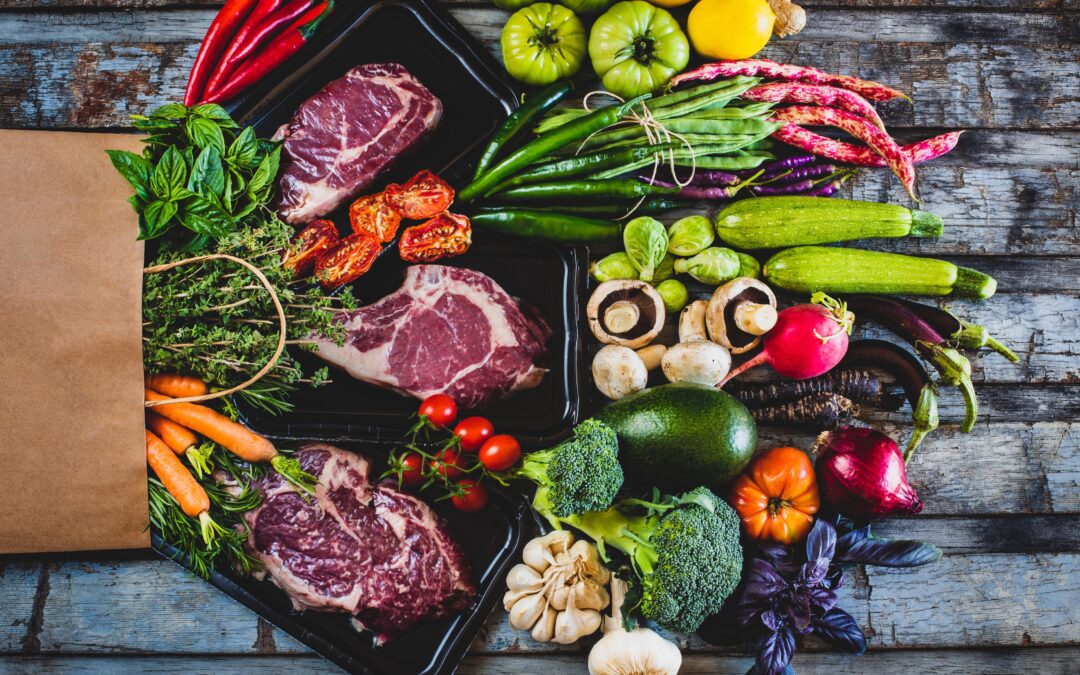
Eating Real Food
Nutrition is the foundation of health, influencing disease prevention and overall well-being. Dietary habits can shape long-term health outcomes. The Dietary Guidelines for Americans, 2025-2030, reflects the latest in nutrition science and public health needs, marking what public health officials describe as the most “significant reset” of federal nutrition policy in decades.
At its core, the new dietary guidance emphasizes a simple directive: “Eat real food.”
The 2025-2030 guidelines define real food as whole, nutrient-dense and naturally occurring, placing it back at the center of Americans’ diets. Here are some major changes to the guidelines from the previous recommendations:
- The New Pyramid—The latest update features an inverted pyramid that places meats, cheese and vegetables in the widest part at the top, reversing a long-standing visual representation of the American diet and shifting away from the circular MyPlate image. This flexible framework is designed to guide better choices, rather than dictating specific meals.
- Ultra-processed foods (UPFs)—For the first time, the guidelines specifically call out UPFs. Americans are advised to avoid packaged and ready-to-eat foods that are salty or sweet (e.g., chips, cookies and candy) and limit foods and beverages with artificial flavors, dyes, preservatives and sweeteners.
- Protein—The new guidelines prioritize protein at every meal, with a goal to get 1.2 to 1.6 grams per kilogram of a person’s body weight daily, nearly double the previous advice. Americans are encouraged to obtain their protein from both animal sources (e.g., eggs, poultry, seafood and red meat) and plant-based sources (e.g., beans, peas, lentils, legumes, nuts, seeds and soy).
- Dairy—The updated version prioritizes full-fat dairy with no added sugars, marking a major shift from the long-standing recommendation for fat-free or low-fat milk and yogurt.
- Added sugars—The guidelines note that no amount of added sugar is healthy. As such, adults should limit their intake to no more than 10 grams per meal, and no amount of added sugar is suitable for children aged 5 to 10.
- Alcohol—The general recommendation now is to simply limit alcohol consumption without providing exact figures.
To learn more about the new dietary guidelines, visit RealFood.gov. Individuals should consult with their health care provider for personalized guidance.
Understanding Vitamin D Supplements
Vitamin D is especially important during the winter because reduced sunlight exposure limits the body’s ability to produce it naturally, increasing the risk of deficiency. This nutrient plays a critical role in maintaining strong bones and teeth by aiding calcium absorption, supports immune function to help fight seasonal illnesses and regulates mood.
Since shorter days and colder weather make sun exposure difficult, incorporating vitamin D-rich foods or supplements becomes essential for overall health during the winter months.
Doctors and pharmacists often recommend D3 to individuals who need vitamin D supplements. Forms of these supplements include capsules, gummies, liquid products, powders, and dissolving tablets. It’s important to purchase high-quality supplements that have been independently tested.
While dietary supplements, including vitamin D3, can be beneficial, they can cause harm when used unnecessarily. It’s possible to get too much vitamin D. When you overdose, calcium builds up in your blood. This condition, known as hypercalcemia, can cause nausea, vomiting, weakness, decreased appetite, constipation and frequent urination. Vitamin D toxicity also has the potential to progress to irregular heart rhythms, kidney stones and even kidney failure. The Food and Drug Administration recommends that all consumers consult their doctor or pharmacist before taking supplements.
Winter Self-care Tips
Amid the chill of winter and shorter days during the colder months, it’s crucial to prioritize self-care. Winter brings unique challenges, but you can thrive during this season with the right self-care practices. Such rejuvenating winter habits can leave you feeling cozy, refreshed and ready to conquer the cooler days ahead. Try these self-care tips:
- Prioritize hydration. The dry air can take a toll on your skin and overall well-being, so be sure to stay hydrated.
- Nourish your body with seasonal foods. Opt for nourishing, seasonal foods (e.g., sweet potatoes and Brussels sprouts) that support your immune system and provide comfort.
- Move your body. Maintaining an active lifestyle is vital to well-being, even during winter. Indoor exercises, winter sports or even a brisk walk in the cold air can invigorate your body and mind.
- Ensure sufficient rest. The longer nights of winter provide an excellent opportunity to prioritize sleep. Create a relaxing bedtime routine and strive for at least seven hours of sleep each night.
- Create a cozy sanctuary. Enhance your living space with elements that promote warmth and relaxation, such as soft blankets, scented candles or diffusers.
- Embrace outdoor activities. Even in small doses, fresh air and sunlight can do wonders for your mental health.
- Establish a relaxing evening routine. A consistent evening routine can help signal to your body that it’s time to wind down, promoting restful sleep.
Keep in mind that self-care is an ongoing process, and finding what works best for your mind and body is key to a fulfilling and balanced winter season. These tips are simply a starting point.
Check out last month’s edition of Live Well Work Well – January 2026.
All of us here at CoverLink wish you continued health and safety this year!